When resistance grows...don't step away. Instead, step up and be present.

In the last five years, I've worked with a many different organizations, but seen similar patterns at play.
- A desire for positive change, but growing conflict.
- A commitment to create a culture of possibility, innovation and courage, but old patterns of behaviour pulling people back.
- A yearning for a workplace where respect, kindness and creativity prevail, but behaviours of gossip, sabotage, negativity, blame and shame.
- A feeling that if there was a better communications plan, strategy or policy the organizational behaviours and culture would improve.
For all of these organizations I have started slow, instead of going fast. The most common approach in leadership development in similar situations is to build skills - for example, let's teach people how to resolve conflict so the conflict goes away. What really happens is we teach people skills to resolve conflict, but the behaviours and underlying challenges that caused the conflict continue.
I've learned through trial and error over the last 30 years of doing this work that approach doesn't create change, and it doesn't transform leaders to meet the challenges they face.
Instead, here is the approach I take:
Bring people together to talk, discuss, share
Explore, practice divergence, build a few new experiences of having conversations about crunchy things together so glimmers of hope emerge, so people feel in their bones that there could be a different way.
Understand the lay of the land
Conduct a series of interviews (or survey for folks who can't attend interviews), across silos and levels to explore people's past and present experiences, to tell stories, to understand impact. Promise anonymity and confidentiality to create a sacred space, Analyze the input to see what emerges, where there are patterns, what challenges and opportunities the stories surface. Share back the state of relationships, communication, dynamics, conflict with the group so they can see themselves in it.
Create space and time
Give people time to digest, process, wake up to what is emerging. In an ideal situation, create enough space for self-awareness and reflection to happen.
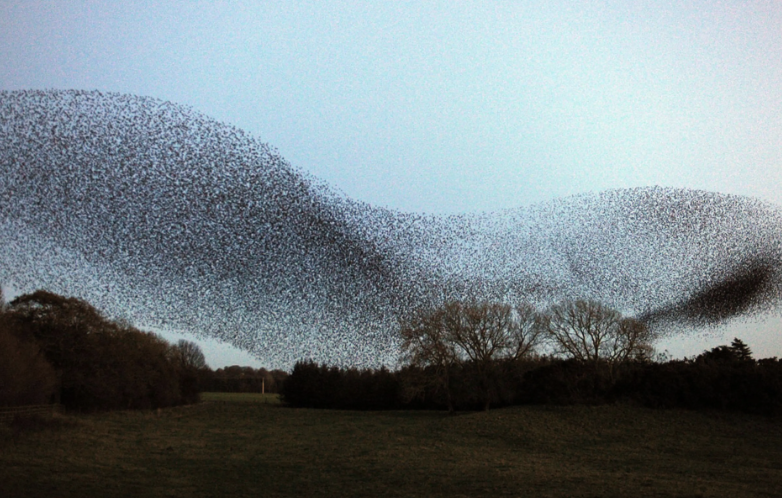
I imagine these moments as a flock of starlings in murmuration, sending signals to each other that might be unconscious suddenly being seen.
I often give folks a nudge in this space and tell them that in my experience people often choose one of four possible reactions to seeing the state of culture:
- They attack the findings, trying to discredit experiences that don't directly align with their own narrative, experience or preferred outcome
- They deny or avoid discussion, reflection or interaction on the findings, clinging to the status quo
- They disengage entirely and step away as if the findings have nothing to do with them, and someone else will take responsibility
- They choose self-awareness and commit to exploring change, contributing to positive impact
People's initial responses during this time are a good test of how much resistance might emerge when change begins to happen. People choose their response for a variety of reasons. Sometimes they seek to protect identity or hold onto power that is available to them only when the organization is dysfunctional. Sometimes the patterns of behaviours are so ingrained, familiar and even comforting that change feels overwhelming. Sometimes they don't know where to start, or the look in the mirror is confronting and taking responsibility for their own contributions to the challenges feels heavy. We want to hold as much empathy as we can for these responses, while at the same time we raise our awareness to what is emerging, what is happening, what is changing.
Build capacity (versus skills)
Give people options to transform and grow. Practice new ways of operating, trying out new experiences, testing out new forms of conversing, working and operating.
Let hope grow out of the experience. Encourage reflection and the practicing of self-awareness. Source new ideas, come together to talk about what is happening and what you yearn for.
Give people tools and approaches to call each other back in with kindness, generosity and courage, so collectively they interact in new ways. When some people resist the change, create forms of accountability or boundaries set with a generous heart, that invites the resister to come along with the new ways, making it clear old ways can drag them back.
Instead of making to do lists or focusing on transactional interactions, slow it down enough to see what the organization might feel like if people worked together differently. Nurture seeds of hope and build new experiences.
Take small actions over time and notice the transformation
Change doesn't happen because we wrote a good communications or strategic plan or got our messaging right. In fact, 80% of change initiatives fail because the organizational chart or communications changed but people didn't change. Change happens because people change.
Transformation doesn't happen on a schedule. It happens in small moments when we are present, connected, and deeply listening.
Instead of writing a communications plan, hold a workshop to identify agreements for behaviours that will be applied for every meeting. Instead of spending months drafting the perfect project workplan, get people together to brainstorm the real cause of a challenge, and identify three possible ways to address the underlying causes of the challenge.. Then implement them and see how they go, and amplify what seems to work, and dampen down what doesn't.
Keep up the small actions, implemented consistently with intention. Over time they transform the way we work together. You will look up six months or one year from now and see crunchy conversations happening where people talk through challenges, increased connection and understanding grow. An organization where performance is higher, commitment is increased and challenges get resolved faster are all possible if your step up and see what emerges.