All the ways things can go sideways, despite good intentions
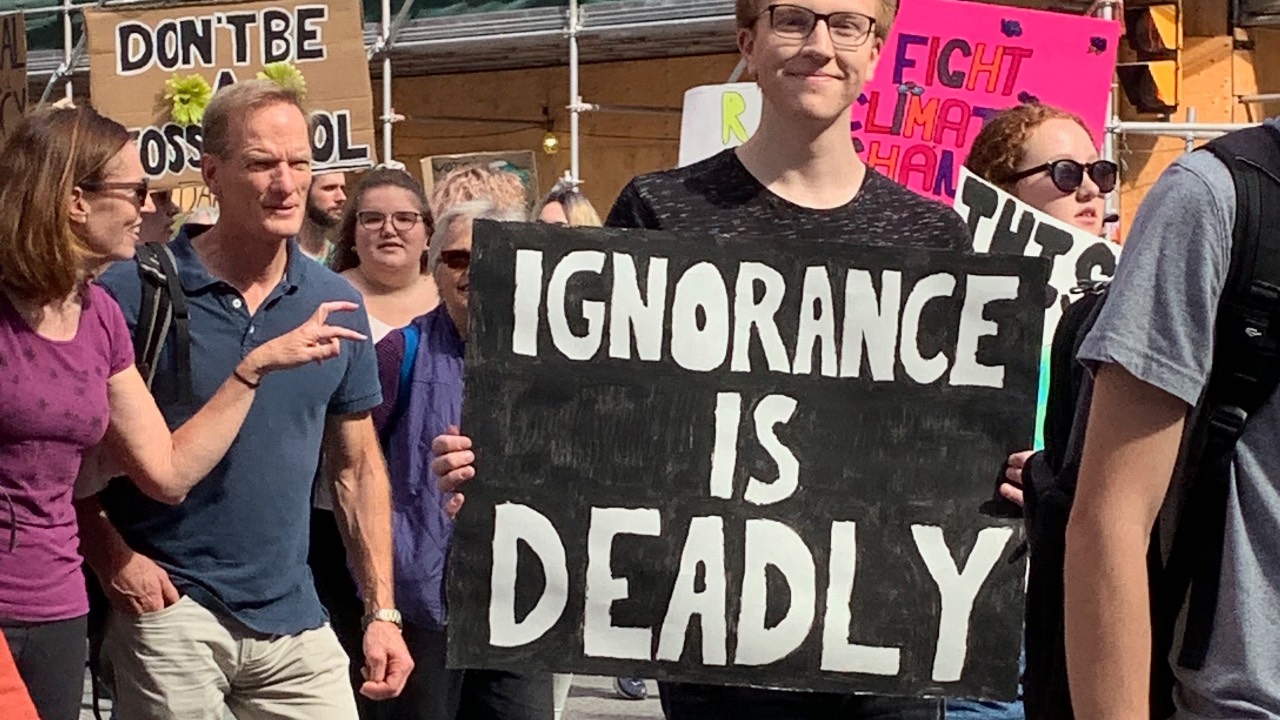
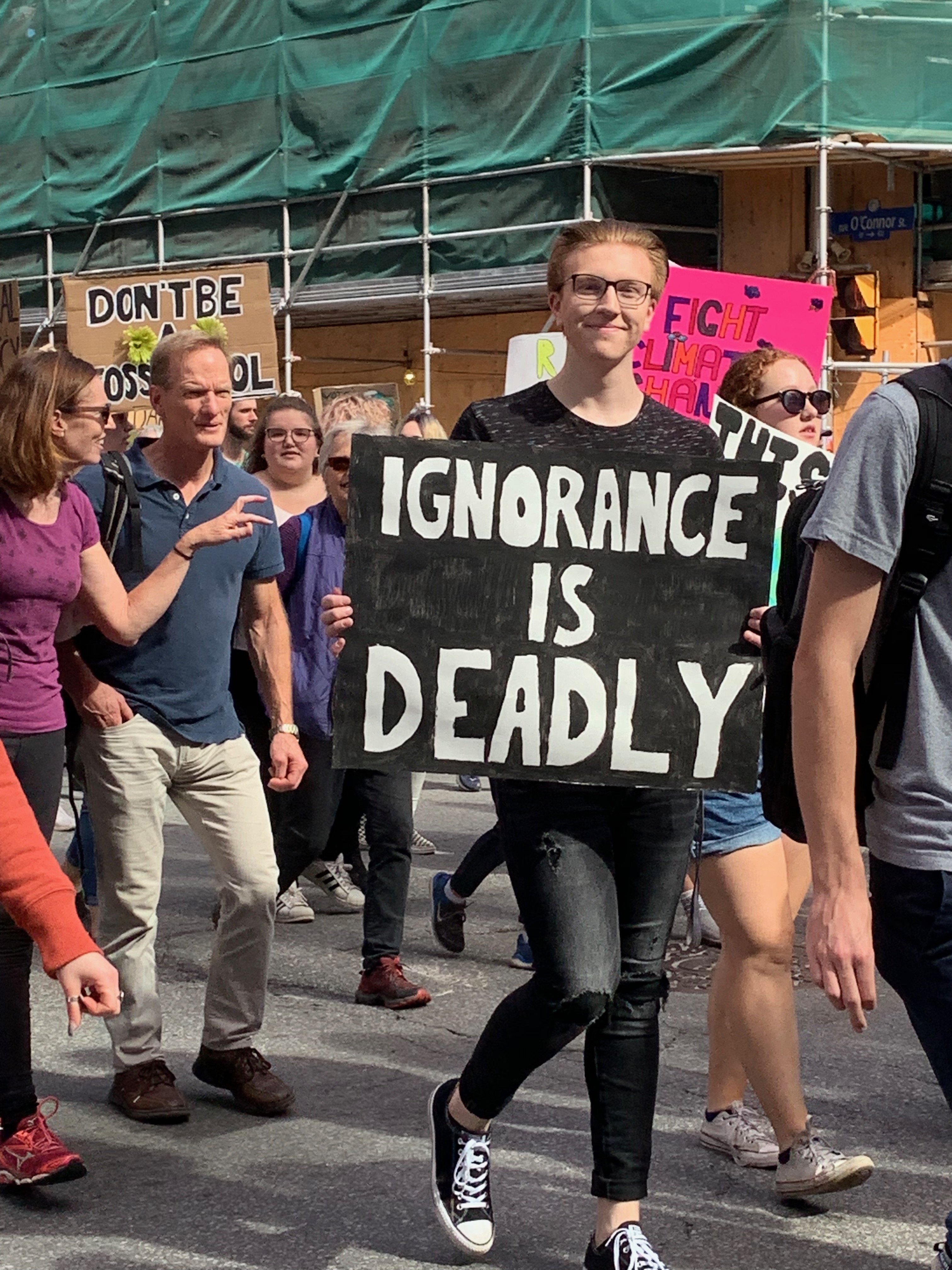
I've been thinking a lot about how we can have good intentions, mean well, be passionate, caring people and still cause each other harm, miss the mark and talk past each other, build layers of sediment between each other until it solidifies.
In these volatile, challenging times where people are reactive and fearful, angry or cynical it happens faster. It doesn't matter how much skill we have in process design, we can still miss the moment when things go from possibility to disconnect. When this happens many times over, distrust becomes entrenched and the divide between people becomes wider. Then, it takes so much more effort, energy and attention to rectify the challenges that get created from a lack of awareness, a high degree of certainty, or moving too fast to make space for others.
Let me give you some examples of how things can go wrong fast and in impactful ways.
Example 1
Last month I wrote a blog called How do You Speak Truth to Power, where I talked about my uncertainty and searching for a way forward with an organization I've been involved with for decades that has taken a distinct turn away from collaboration and transparency in recent years. (Stay tuned for more on that situation in an upcoming blog.) There have been some recent events that have added layers to the sediment of distrust, reactivity and challenging dynamics - and it doesn't have to be that way. We all make choices that impact each other every day, and those choices can be positive, negative or unintended.
Here is what happened:
- That organization held a recent meeting where all members were invited to attend, receive information, ask questions and get answers, and participate
- The meeting was conducted on zoom, but started 10 minutes late without any message to participants in the waiting room
- Some members submitted questions in advance, and when the meeting began members in attendance were instructed to send their questions to a staff person via email so they could be dealt with during the session
- Chat was disabled so no one could post a question or comment during the meeting
- All participants were muted, and no one could unmute themselves. They could raise their zoom hand and IF the chair recognized them, staff would unmute them. Not everyone was recognized when they raised their hands, and it was unclear why some people were recognized, and others weren't.
- A request was sent in advance, and repeated during the meeting, for the meeting to be recorded. That request was denied.
- Some participants who were recognized asked questions. Many of those questions were not answered, and some were ignored.
- Questions that had been submitted in advance and questions submitted via email during the meeting were not addressed or answered, despite "questions" being an agenda item.
- The meeting ended abruptly at the end time and the zoom room was closed.
- After the meeting the organization issued answers to all questions that had been submitted, some of which were factually incorrect (and which they refused to correct when this was pointed out), and other answers that were clearly spun to support a certain narrative, telling only a portion of the story.
It was a recipe for how NOT to conduct a meeting.
It made me wonder why the organization was so afraid of its own members that control, decide and defend were the chosen behaviours they modelled? The organization could easily have made simple choices that would have changed the tone, impact and experience of participants - like opening chat, answering questions, extending the time of the meeting to allow for questions to be asked - and answered, allowing participants to unmute themselves etc.
You can have control - or collaboration - but not both. You can build trust through transparency - or you can send the message you are hiding things. You can create a space of conversation and constructive interaction, even in conflict situations - or you can shut down participation.
Choices have consequences in terms of trust, reputation, engagement.
Example 2
I recently had an appointment with my family physician, who I like and respect. He is thorough, thoughtful and kind. He takes time with all his patients and listens to their experiences, and always seeks input that helps him understand the whole person versus just the symptoms.
While he is a good doctor, he is ALWAYS behind schedule, not just by a little, but by a lot.
He is located in Ottawa (where I used to live) and I now live on Wolfe Island. That means a 20 minute ferry ride and a 2 hour drive to get to his office. This week I arrived right on time for my appointment. I waited in the main waiting room for 2 hours before I was taken to an examination room, where I waited for another 45 minutes before he came in to see me. Almost 3 hours late for my appointment. He didn't rush through the appointment, and I had time to go through my list, but almost 3 hours late means I spent my entire day for a simple appointment.
Like many organizations in these times, posted at the reception desk and in every exam room is a sign that outlines the expected behaviours of patients.
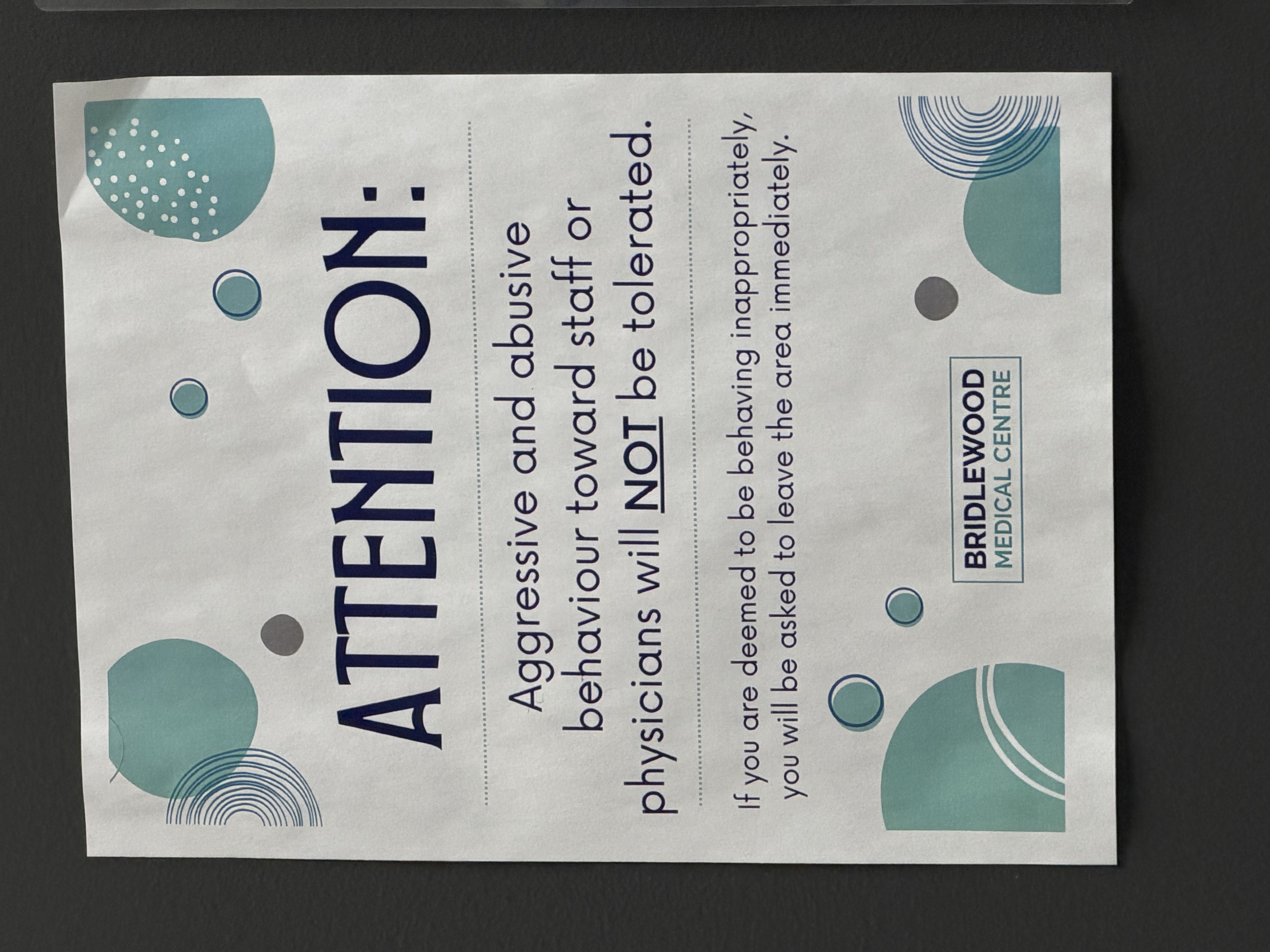
I have long argued against these type of signs as a deterrent to aggressive behaviour. They tell people what NOT to do rather than what you DO want them to do. It also plants the seed that there is a fear or a belief that you might actually be aggressive. It also says the psychological and physical safety of staff is important, but I'm not sure if my safety is important too.
I understand the reason for this signage is so that the organization can easily remove people who are aggressive, but it can backfire and have unintended consequences.
Instead, they could post a sign that says:
- We care for and respect all our patients and we expect all our patients to treat staff and physicians the same way. If you have a concern, let's talk about it. If you can't talk about it calmly, we will ask you to leave and schedule another time to talk. Thanks for making this a place where everyone can feel safe.
You can wordsmith or edit my wording to meet your situation, but you get the idea. Send a message that we are in this together and we have expectations of you, and you should have expectations of us too. It invites and encourages rather than emphasize compliance of behaviours, which can backfire.
The other thing this sign reinforces is a subtle power dynamic. There is a shortage of family physicians throughout Canada, so I'm often told how lucky I am to have a doctor. If I were to raise the issue of my doctor's timeliness, respect for my time, the extended travel I have to make to see him and do it in a way that expressed my frustration that might be interpreted as aggressive behaviour, depending on the experience and relationship with conflict of the receiver. Maybe the staff person is someone who views aggressive behaviour as expressing irritation or frustration? Maybe if I requested more respect of my time I might lose my access to my family doctor? In addition, health care is a dynamic relationship where most often the patient is vulnerable, needing help and the physician holds the power to help or heal. A dynamic focused on enforcement and compliance can negatively impact this fragile power imbalance further.
Next time you post a sign like this ask yourself what power dynamics are you reinforcing? What message are you sending to participants? If you are communicating your expectations of others, what should they expect from you?
Example 3
I've recently worked with a couple different organizations working to improve their organizational culture to increase trust, innovation, creativity and collaboration. One of the things both organizations have done is have staff create a set of Conversation Agreements to use whenever groups gather together. Frequently called "ground rules" these agreements outline what people will - and will not do - and give examples of HOW to work together to create that improved culture. The goal of these agreements is that they are used as the first agenda item for every meeting, get pulled out in group conversations and discussed before diving into other topics.
When we improve HOW we work together, we can talk about WHAT we need to talk about with thoughtfulness, care and respect. The practice builds self-awareness, accountability and creates new patterns of interaction, which in the long-term foster increased trust, improved relationships and better collaboration.
I was surprised to learn that in one of the organizations those Conversation Agreements are being used regularly by staff in small groups, meetings and one-on-ones. However, it seems that the CEO of the organization is not using them in meetings that he leads with his executive team or sessions that he chairs. It has become a "do what I say not what I do" situation, where he expects others to behave in certain ways but doesn't hold himself accountable to the same standard. Unbeknownst to him, it is making his staff feel dispirited and frustrated, losing faith that the culture change initiative is real. His intentions may be trusting - perhaps he thinks his executive team doesn't need the reminder, or he is quietly trying to adjust his own behaviour and has taken to heart the agreements and doesn't need a piece of paper as a reminder? We don't know because we don't know his intentions.
When your intentions aren't clear, we will always make up a story to fit our experience, and that story is often negative.
We are always impacting each other - in positive, negative and unintended ways. In this case there are negative and unintended impacts too - decreasing the momentum of the culture change initiative and reducing the commitment of other team members.
Accountability, transparency, respect are actions, not just words. You need to model and demonstrate them for them to be real.
When I started writing this blog I wasn't sure how many examples I would be able to come up with, but I could give you twenty more examples, and I'm sure you can think of countless situations where things went sideways, despite good intentions.
It takes self awareness, emotional intelligence a commitment to building trust, relationships, understanding and connection to create a positive impact in challenging conversations or interactions.
If we want a different result, we need to do things differently.
- We can slow things down enough to increase our awareness of what is happening in the space between people, the space around the conversation and the space inside of us. Are things feeling reactive? hot? crunchy? silent (not in a good, calm, peaceful way)? Are we defaulting to control versus cooperation? Certainty versus openness? What message are we sending with our own actions?
- We can get clear on our intentions. What are we trying to achieve? what do we hope to walk out of the conversation with? What do we want people to feel, experience and understand? What are we creating space for? How are our choices reinforcing these intentions - or sending things sideways?
- We can take actions that make space for others, so we can course correct, build collective momentum, adjust or refine as we move forward together. Are we missing voices? Are we only hearing from certain groups (or worse, only talking to ourselves or to people who think the same way we do)? Are we moving forward so fast or with such certainty that we leave people behind? Are we saying one thing and doing another?
When we are always impacting each other we need to be thoughtful about the choices we make, because every choice has a consequence. We can build trust - or do the opposite. We can bring people together - or pull them apart. We can strengthen relationships and solve problems - or we can stifle dissent and encourage silence rather than diverse perspectives.
Next time you host a zoom meeting, post a sign or lead a conversation ask yourself how your choices will impact the experience, outcomes and perceptions of those involved. When your intentions align with your actions you can stop things from going sideways. Because when they go sideways, it doesn't matter how good your intentions were, it will take twice the effort and energy it took to get there to course correct.